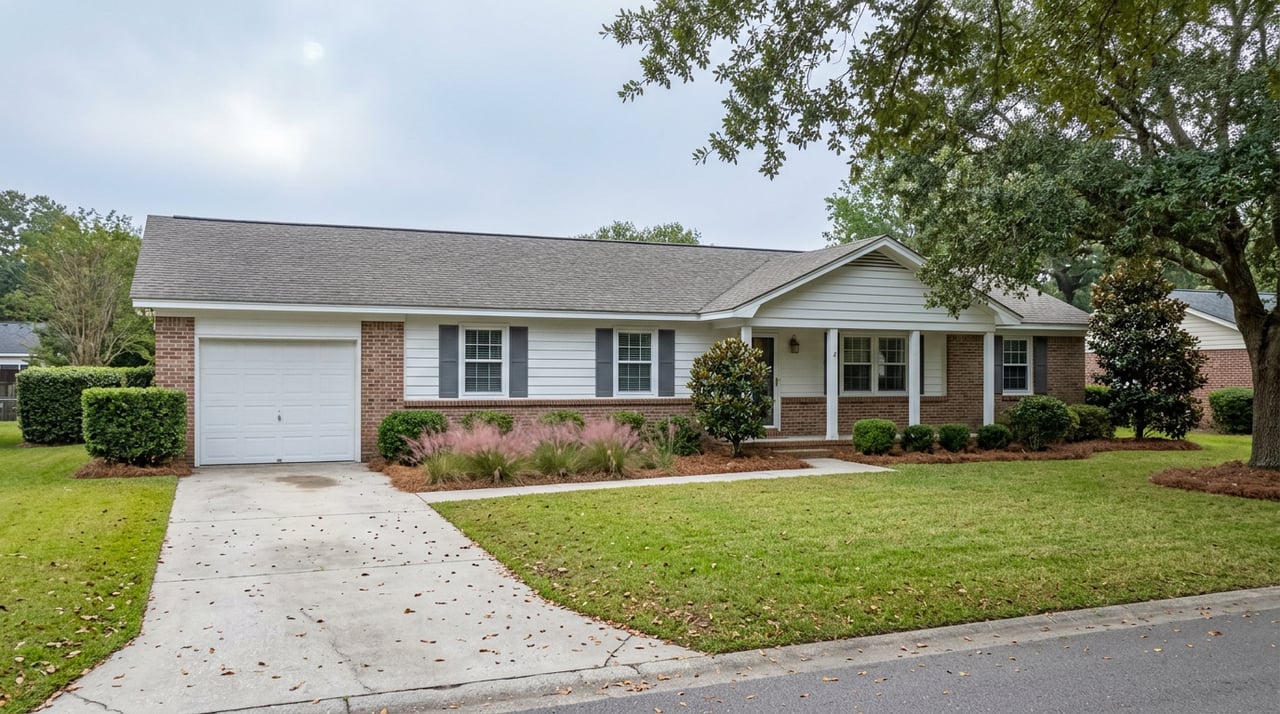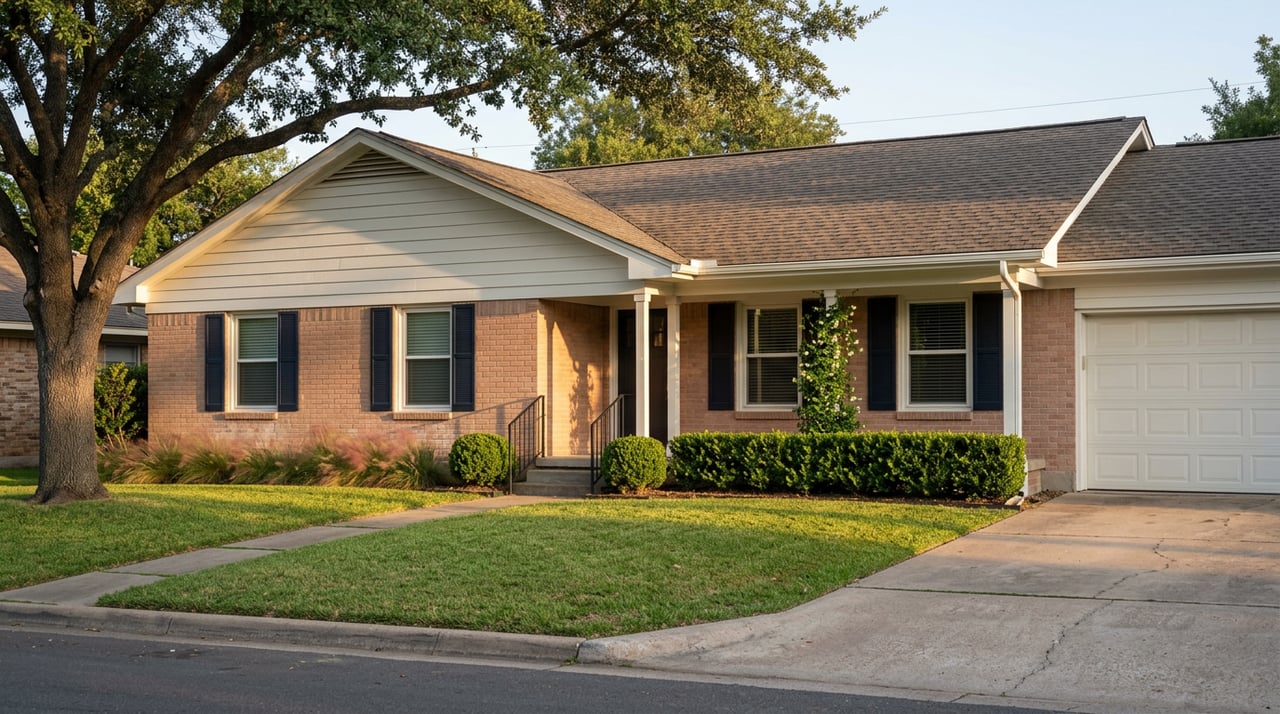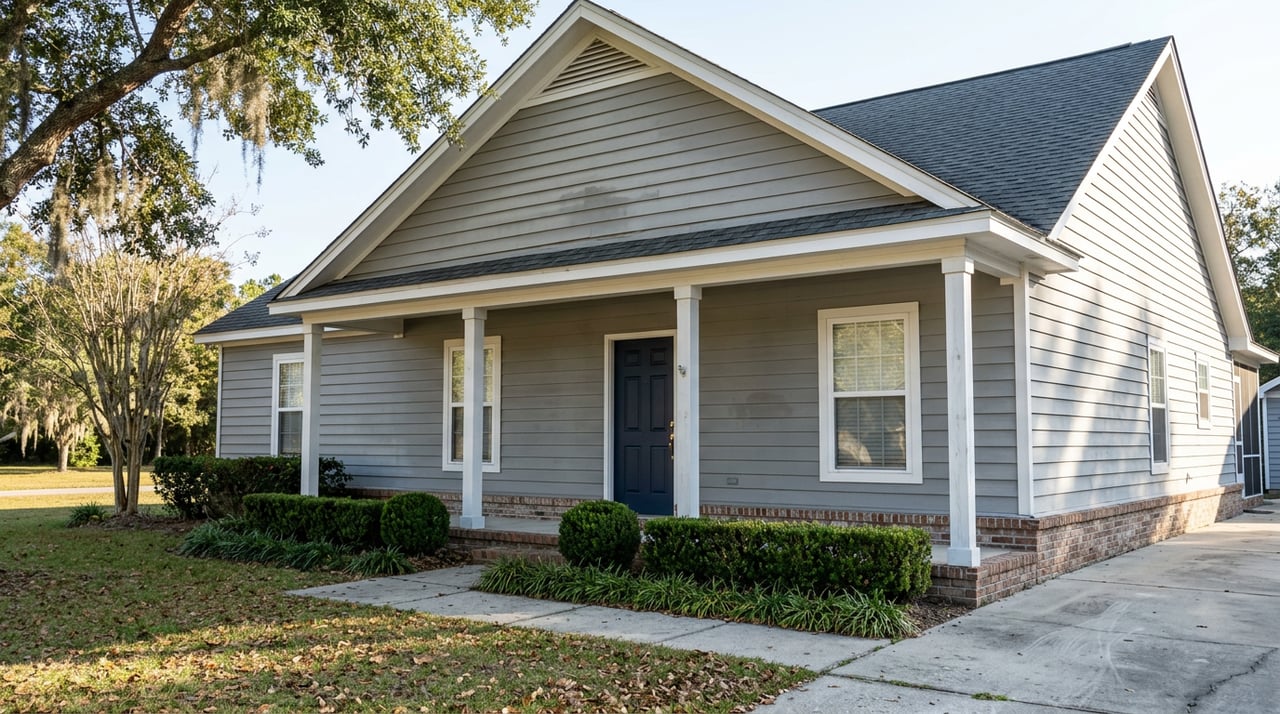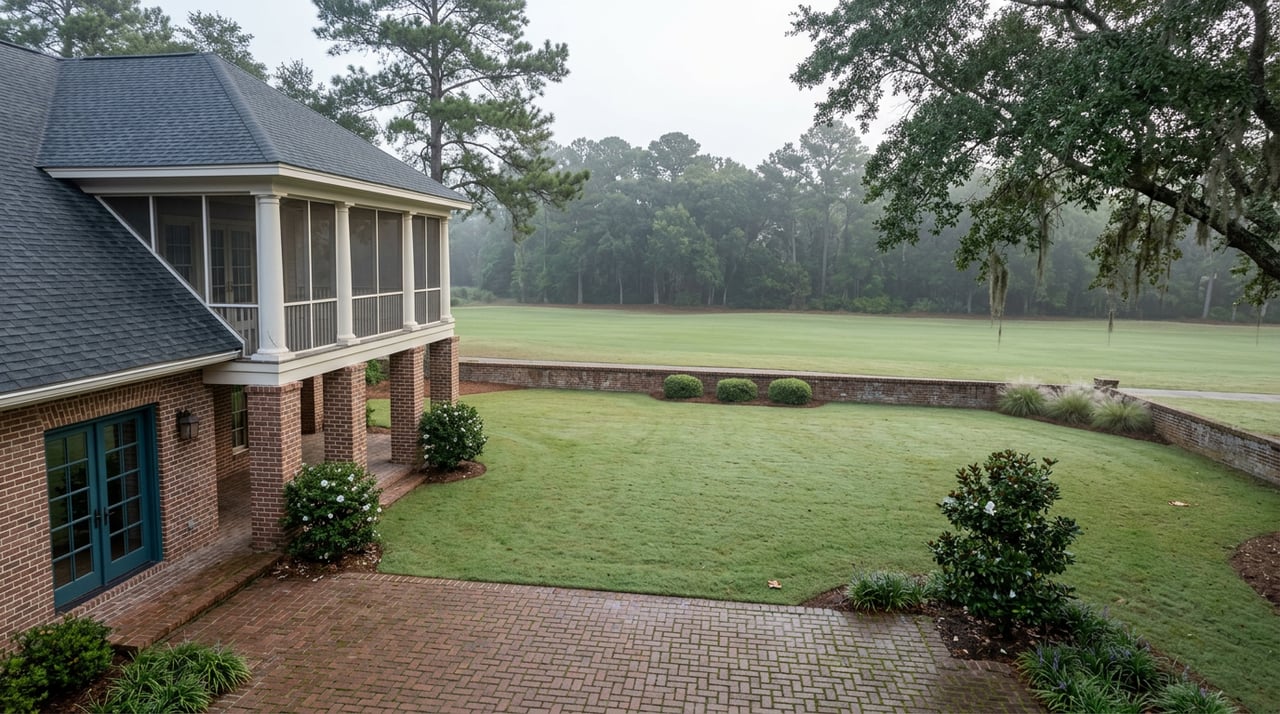
Thinking about a home in Carolina Bay and wondering whether a raised foundation or a slab is the better fit? In a coastal market like West Ashley, the choice touches flood exposure, maintenance, insurance costs, and even resale appeal. You want a home that fits your lifestyle today and holds up well over time. This guide breaks down how each foundation type performs in Charleston’s climate and what that means for you as a buyer or seller. Let’s dive in.
Why foundation choice matters in West Ashley
Charleston County includes areas with FEMA‑mapped flood hazards. Risk varies street by street, so it is smart to review parcel‑level maps on the FEMA Flood Map Service Center and confirm with Charleston County Floodplain staff. The region also experiences regular tidal flooding and long‑term sea level rise, trends that make elevation and flood‑resistant design more important for the lifespan of a home. You can review water level data for the Charleston area through NOAA Tides and Currents.
Local soils tend to be sandy and can include areas of fill. That affects settlement, drainage, and engineering needs. In practice, you see both raised and slab foundations across West Ashley, with raised homes more common in mapped flood zones and slabs appearing more often on suitable inland sites.
Raised foundations: what to expect
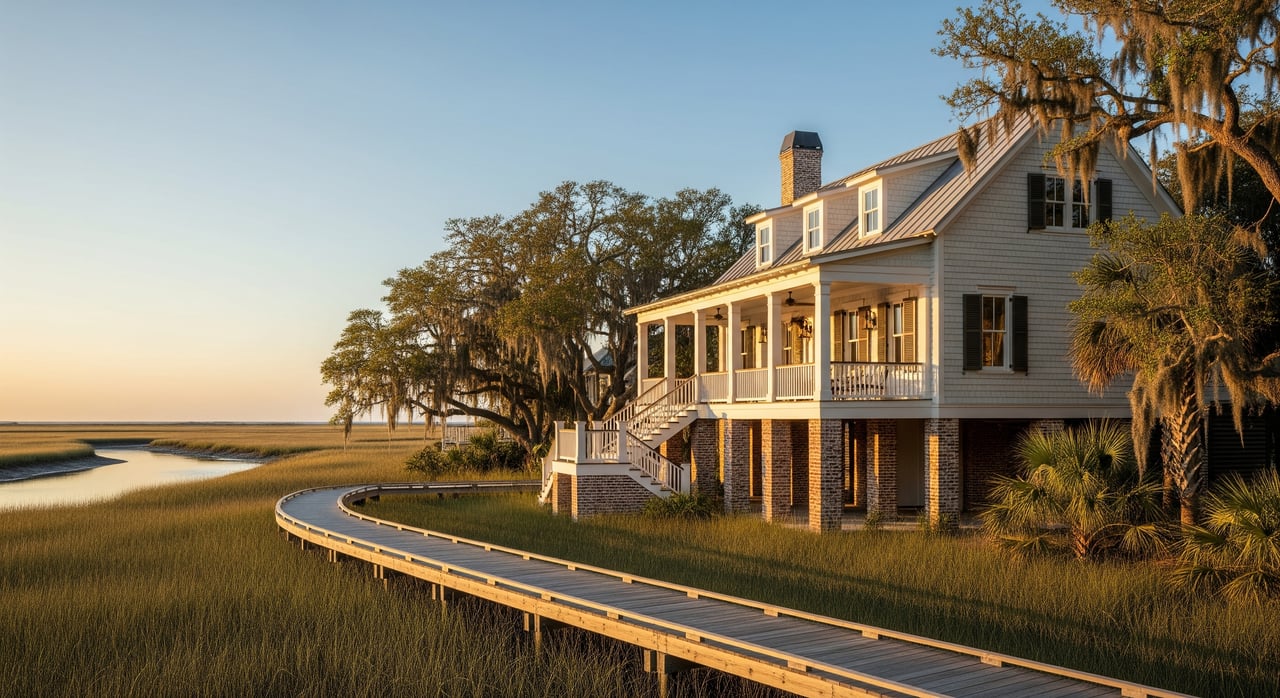
Raised construction in the Lowcountry typically uses pilings, piers, or a pier‑and‑beam system that lifts the living space above potential floodwaters. This approach can cost more to build due to piles, framing, and stairs, and some sites require engineered systems. In coastal and certain flood zones, codes may require open foundations and freeboard above the Base Flood Elevation.
From a flood perspective, raising the first living floor keeps walls, insulation, flooring, and major systems out of direct contact with floodwater. Utilities can also be located or elevated above the BFE, which helps reduce claim frequency. In coastal zones, the under‑house area should be designed to let water pass through as required.
Crawlspace moisture is a key consideration. In humid climates like Charleston, many building science experts recommend sealed or conditioned crawlspaces with a continuous ground vapor barrier, insulation, and controlled ventilation or dehumidification. For background on best practices, see resources from Building Science Corporation. Open, vented crawlspaces can struggle with condensation, mold, and higher energy use if not managed well.
Access to utilities is usually easier under a raised home. Plumbers and electricians can reach pipes and ducts without cutting concrete. Termite inspections are also more straightforward, though both foundation types need protection and ongoing contracts in Charleston’s high‑risk termite environment.
Slab‑on‑grade: what to expect
A slab places the home directly on a concrete foundation at grade. On suitable sites outside high‑risk flood zones, slabs are often simpler and less expensive to build. They are popular with buyers who want single‑level living and easy accessibility.
If floodwater reaches a slab, the concrete may be intact, but lower cabinets, finishes, and any slab‑embedded systems face higher damage risk. Drying and mold remediation can take longer compared with elevated living spaces. It is harder and more costly to repair in‑slab plumbing or conduits since locating and opening the concrete is invasive.
Slab construction avoids crawlspace moisture concerns, but you still need a quality vapor barrier and solid drainage. Proper grading, gutters, and downspouts that move water away from the slab edge help manage moisture.
Flood risk and insurance in Charleston County
If a home sits in a Special Flood Hazard Area and you have a federally backed mortgage, flood insurance is generally required. Premiums depend heavily on elevation relative to the BFE. An official Elevation Certificate can help document the home’s elevation and may improve rating options through the National Flood Insurance Program. Learn more about Elevation Certificates through FEMA’s guidance and about policy options through FEMA Flood Insurance.
All else equal, elevated homes with the living floor above BFE often qualify for lower premiums than similar slab homes built at or below BFE. Private flood insurance is available in South Carolina, and rates vary by carrier, elevation, mitigation measures, and history. For statewide guidance, the South Carolina Department of Insurance offers consumer information on flood insurance.
Permits and local code basics
Charleston County and local municipalities regulate building and floodplain development. Construction in floodplains usually requires both a building permit and a floodplain development permit. Coastal VE zones typically have stricter rules for open foundations, elevated mechanicals, and freeboard compared with AE zones. For county program details, visit Charleston County Floodplain Management.
If a property is in a local historic district or subject to design review, exterior changes that alter the foundation may require extra approvals. Always confirm site‑specific requirements before planning upgrades.
Living with each foundation type
Here are practical differences you will feel day to day in Carolina Bay and greater West Ashley:
- Raised homes reduce the chance that living spaces and major systems see floodwater. Stairs are part of daily life, which can be a tradeoff for mobility or moving heavy items.
- Slab homes can offer step‑free entry, which many buyers love. They depend more on proper site drainage and are harder to service below the floor if repairs are needed.
- For both types, plan for termite protection and regular inspections. Charleston’s climate and soils make this a must.
Maintenance and smart upgrades
Small steps go a long way toward performance and buyer confidence.
Raised or crawlspace homes:
- Maintain a continuous ground vapor barrier and seal gaps as recommended by a building professional.
- Keep grading and drainage moving water away from the foundation and under‑house areas.
- After major storms, check for erosion or scour around piers and pilings.
- Consider crawlspace encapsulation and controlled dehumidification, and document the work with photos and receipts.
- Keep termite contracts active.
Slab homes:
- Maintain gutters and downspouts, and extend discharge well away from the slab.
- Watch for slab‑edge cracks or settling at doors and thresholds.
- Avoid planting or irrigation that saturates soil at the foundation perimeter.
Across both types, elevating or relocating mechanicals above anticipated flood levels is a valuable mitigation step. If you do any upgrades, keep permits and invoices. These documents help with insurance rating, appraisals, and buyer confidence.
Buyer checklist for Carolina Bay
Use this quick list when you evaluate homes:
- Confirm the FEMA flood zone and ask for an Elevation Certificate or elevation survey.
- Review the FEMA map for the parcel and note any Letters of Map Change if provided.
- Request flood insurance history and the current premium amount.
- For raised homes, inspect the under‑house area: insulation, vapor barrier, standing water, mold, pest evidence, and any scour at piers or piles.
- Confirm the location of mechanicals and electrical panels and whether they are above the BFE when relevant.
- For slab homes, look for cracks, settlement signs, and evidence of past water intrusion. Check perimeter grading and drainage.
- Ask for termite treatment records and the most recent WDO report.
Seller game plan to maximize appeal
Buyers in West Ashley often ask pointed questions about flood risk, moisture, and maintenance. Get ahead of them with clear, factual documentation:
- Elevation Certificate and a FEMA FIRM printout for the parcel, if available.
- Flood insurance declarations and claims history.
- Building permits and any foundation or encapsulation documents.
- Photos of under‑house areas, including vapor barrier and ductwork.
- Proof of termite treatments and recent inspection reports.
- Notes on mechanicals, including elevation above BFE when relevant.
Highlight objective features. Examples include engineered piling systems, crawlspace encapsulation completed in a given year, or mechanicals mounted above BFE. Avoid unverified statements about “no flood risk.” Stick to documents and measurable details.
Raised vs. slab: which fits your goals?
- If you want long‑term flood resilience and potentially lower flood premiums, a raised foundation is often preferred. Expect stairs and a higher initial build cost, which many buyers accept in exchange for elevation.
- If you value single‑level living, step‑free access, and simpler upfront costs, a slab can be a great fit, especially on sites outside higher‑risk flood zones. Focus on drainage, vapor barriers, and verifying insurance costs.
In Carolina Bay, you will see both options. The best choice depends on the specific lot, the home’s elevation relative to BFE, and how you weigh mobility, maintenance, and insurance.
Next steps
Before you decide, verify the site’s flood mapping, request key documents, and weigh how each foundation type matches your lifestyle. If you want help comparing homes, documents, and mitigation options in Carolina Bay and greater West Ashley, connect with Andrea Ulmer for local guidance and a clear plan.
FAQs
What is the main difference between raised and slab homes in West Ashley?
- Raised homes elevate living spaces above potential floodwater, which can reduce damage and insurance costs, while slab homes sit at grade and offer step‑free living but rely more on site drainage.
How does foundation type affect flood insurance in Charleston County?
- Elevation relative to the Base Flood Elevation is a major rating factor, and elevated living floors often qualify for lower premiums; an Elevation Certificate helps document this.
What documents should I request before buying in Carolina Bay?
- Ask for an Elevation Certificate, a FEMA FIRM map for the parcel, flood insurance declarations, claims history, permits for foundation work, termite records, and crawlspace documentation or photos.
Are sealed crawlspaces recommended in Charleston’s humid climate?
- Many building science experts favor sealed or conditioned crawlspaces with vapor barriers and controlled ventilation in humid regions; see Building Science Corporation for best practice guidance.
Where can I check a property’s flood zone in West Ashley?
- Review parcel‑level mapping on the FEMA Flood Map Service Center and contact Charleston County Floodplain Management for local guidance.