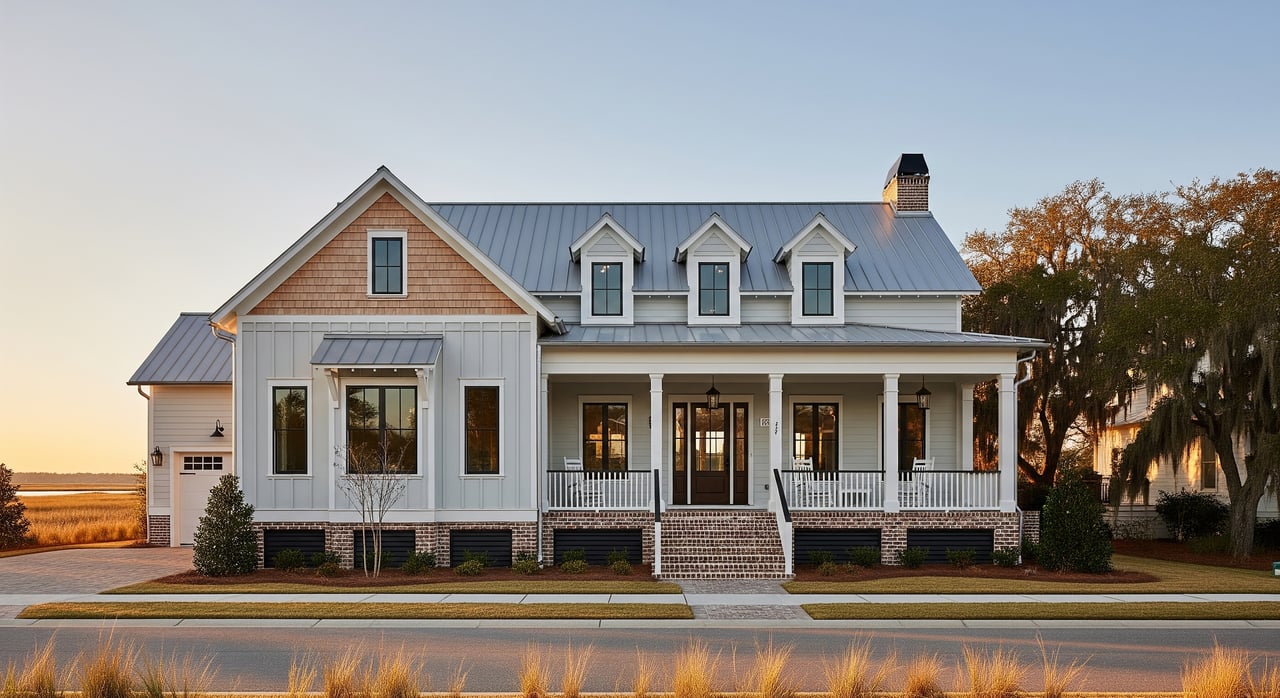
Curious what really happens once your lender orders an appraisal on a Carolina Park home? You are not alone. Whether you are buying or selling, the appraisal is a key checkpoint that can confirm your price or send you back to the negotiating table. In this guide, you will learn how appraisals work specifically in Carolina Park, what drives value in a coastal Mount Pleasant neighborhood, and how to prepare so you feel confident. Let’s dive in.
Appraisal basics in Carolina Park
An appraisal is an independent opinion of market value prepared by a licensed appraiser for your lender’s underwriting decision. The goal is to verify that the contract price is supported by recent market evidence. The value is tied to a specific date, usually the day of inspection or the effective date stated in the report.
Your lender orders the appraisal, and you typically pay the fee as part of your loan costs. The appraiser must remain independent from you, the seller, and the agents. This helps your lender manage risk and gives you a professional benchmark during the transaction.
Common appraisal types
- Full interior and exterior appraisal. Most common for conventional, FHA, and VA purchases. The appraiser measures living area, documents condition, takes photos, and analyzes recent sales.
- Exterior only appraisal. A drive-by inspection from the outside, used for certain lower risk scenarios or refinances under specific guidelines.
- Desktop appraisal. The appraiser relies on MLS and public records without an on-site visit when program rules allow.
- Hybrid or bifurcated appraisal. One party inspects and another analyzes, depending on lender adoption.
Appraisers follow the Uniform Standards of Professional Appraisal Practice, plus the requirements set by programs like Fannie Mae, Freddie Mac, FHA, and VA.
Timeline and what to expect
Once your loan is in process, the lender assigns the appraisal. The appraiser schedules the property visit, gathers photos and measurements, and notes condition, systems, upgrades, and site characteristics. If interior access is not available, the appraiser documents attempts to gain entry and may complete an exterior only report, subject to lender acceptance.
After the visit, the appraiser researches recent closed sales, pending sales, and relevant listings. They reconcile the data into a written report that includes comparable sales, adjustments for differences, photos, maps, and commentary on market trends. For a typical conventional purchase, the timeline often ranges from 5 to 15 business days, though local demand and holidays can extend that window.
How appraisers choose comps here
The strongest evidence of value is recent closed sales of very similar homes near the subject property. In Carolina Park, appraisers first look for sales within the same community and the same product line. If none fit well, they may expand to nearby Mount Pleasant neighborhoods with similar characteristics.
Appraisers weigh three core filters when selecting comps:
- Proximity. Same subdivision is ideal, especially in a master planned community with defined phases and builders.
- Recency. Sales from the last 3 to 12 months carry the most weight, with extra attention paid to very recent closings if the market is moving.
- Similarity. Property type, square footage, bed and bath count, lot size, build quality, and special features like a marsh view or pool.
How adjustments work
No two homes are identical, so the appraiser makes dollar adjustments to reflect differences. Examples include price per square foot differences for size, premiums for a water or park view, or deductions for deferred maintenance. These adjustments must be supported by market data and explained in the report narrative.
Carolina Park factors that move value
Carolina Park includes a range of home types and builders. That variety creates distinct market segments. Appraisers pay close attention to which phase or builder the home belongs to, and they try to match comps to similar plans and finishes.
Location inside the community matters. Lots backing to parks, greenways, or marsh areas may be more desirable than homes near busy roads. Corner lots, proximity to amenities like the clubhouse and pool, and trail access can influence buyer demand and therefore value.
HOA dues and included amenities are part of the marketability story. Appraisers typically note HOA fees and what they cover because these items affect total cost of ownership. Clear HOA documentation can help the appraiser describe the community benefits accurately.
In a coastal market like Mount Pleasant, flood considerations are often material. FEMA flood zone designations, base flood elevation, and mitigation measures such as elevated foundations, flood vents, and elevated mechanical systems influence buyer preferences and insurance costs. Appraisers seek comps that reflect similar flood risk and elevation profiles whenever possible.
Market momentum also counts. If the area is experiencing quick appreciation or softening, the appraiser will reference current trends. Very recent closings, pendings, and list-to-sale price patterns provide context for where values are heading.
Accurate square footage matters
Living area discrepancies are a common source of appraisal surprises. Appraisers measure gross living area and compare it to public records. If your listing square footage differs from the measured figure, it can shift the value because price per square foot calculations change.
If you have a recent floor plan or independent measurement, share it through your agent. If you added living area, provide permits and final inspections. Clear documentation helps the appraiser verify and avoid errors.
Seller prep: a simple checklist
A tidy, accessible home helps the appraiser observe features and condition efficiently. You do not need to stage for an appraisal, but a well presented home makes it easier to confirm quality and functionality.
- Complete obvious repairs. Leaks, broken windows, loose railings, and damaged flooring can pull value down if left unaddressed.
- Create an upgrades packet. Provide an itemized list of improvements with dates, permits, and invoices. Kitchens, baths, roofs, HVAC, and elevation or mitigation work are especially useful to document.
- Confirm access to all areas. Make sure utilities are on and the appraiser can reach attics, crawlspaces, garages, and exterior storage.
- Share relevant comps. Through your listing agent, provide recent closed sales of similar homes within Carolina Park. Include builder sales if available, plus notes on plan similarities.
- Outline HOA and community features. A one page summary of dues, amenities, and trails or parks near the home helps the appraiser describe location benefits.
Buyer playbook if value comes in low
A low appraisal is not the end of the road. You have options, and timing is important because appraisal contingencies set deadlines.
- Renegotiate price. Many buyers and sellers meet in the middle to keep the deal moving.
- Bring additional cash. You can cover the gap between appraised value and contract price if it fits your budget.
- Request a reconsideration of value. Work with your lender to submit additional comps or corrections. Success depends on whether there are factual errors or strong new evidence.
- Ask about a second appraisal. Some lenders allow this in limited cases. You typically pay the fee and must follow lender rules.
Coordinate quickly with your agent and lender. A fast, organized response gives you the best shot at a favorable outcome.
Reconsideration and disputes
Communication with the appraiser runs through the lender. If you believe the report missed a bedroom, mismeasured living area, or used weaker comps, submit your evidence to the lender for a reconsideration of value request. Factual mistakes are more likely to be corrected than differences of opinion.
Provide concise, relevant support. Focus on same builder or same phase comps, recent closings, and documents that correct square footage, permits, or flood data. Keep explanations clear and professional so the lender and appraiser can review efficiently.
What truly influences value here
- Condition, quality, and layout. Deferred maintenance can hurt value, while functional upgrades and standard aligning improvements tend to support it.
- Location within the community. Proximity to parks, trails, and amenities can help, while busy road adjacency can hinder.
- Flood risk and elevation. Clear documentation of elevation and mitigation is valuable in coastal Mount Pleasant.
- Marketability signals. Days on market, seller concessions, and list-to-sale ratios in recent comps are part of the analysis.
- Legal or title items. Recorded easements or unresolved property issues may be noted and can affect marketability.
How your agent can help
A well organized appraisal package makes a difference. Your agent can help compile upgrade lists, locate strong comps within your product line and phase, and gather HOA documents, permit records, and flood information. That preparation sets the appraiser up to see the full picture during the brief site visit.
For sellers, a pre appraisal check by an experienced local agent can catch easy fixes and missing documentation. For buyers, quick coordination after a low appraisal helps you decide the best path, whether that is negotiating, bringing cash, or pursuing a reconsideration.
Ready to move forward in Carolina Park?
Appraisals do not have to be stressful. When you understand how comps are chosen, how flood and elevation factors play into value, and what preparation helps most, you can navigate this step with confidence. If you are planning to buy or sell in Carolina Park, it pays to have a locally grounded advisor who can manage the details and protect your interests.
If you want hands on guidance assembling an appraisal package, identifying the right comps, or planning pre sale improvements, connect with Andrea Ulmer. Request a Free Home Valuation or Consultation and move forward with clarity.
FAQs
Who pays for the appraisal in Carolina Park?
- In most purchases the lender orders the appraisal and the buyer pays the fee as part of loan costs, though the parties can agree otherwise.
How long does a home appraisal take from order to report?
- Typical turn time is about 5 to 15 business days for conventional purchases, depending on access, market volume, and lender capacity.
What comps do appraisers use in Carolina Park?
- They prioritize recent closed sales of similar homes within the same community and product line, then step out to nearby Mount Pleasant neighborhoods if needed.
Do flood zones and elevation affect value in Mount Pleasant?
- Yes, FEMA flood zones, base flood elevation, and mitigation measures influence buyer demand and insurance costs, so appraisers account for them using comparable sales.
What if the appraisal is below my contract price?
- Common options are renegotiating the price, bringing additional cash, requesting a reconsideration of value through your lender, or exploring a second appraisal when allowed.
Do cosmetic upgrades boost the appraised value?
- Some do, but appraisers focus on market reaction and functional improvements; kitchens, baths, added living area, and mitigation or system updates often carry more weight.
Can I challenge an appraisal I think is wrong?
- Yes, submit a reconsideration request through your lender with factual corrections and better comps; factual errors are more likely to be corrected than opinion differences.