Selling your home does not have to feel like a scramble. If you are planning a move in Carolina Bay, the easiest sales are usually the ones that start with a clear plan, realistic pricing, and the right support before your home ever hits the market. When you understand the local moving parts up front, you can reduce surprises, protect your time, and move through the process with a lot more confidence. Let’s dive in.
Start With a Realistic Carolina Bay Plan
A low-stress sale begins with knowing what kind of market you are stepping into. In Carolina Bay, Realtor.com lists a median listing price of $625,000, while Redfin reported a median sale price of $574,786 in April 2026. That gap is a helpful reminder that your strategy should be based on recent sold data, not just current asking prices.
That does not mean you need a major overhaul to sell well. It means pricing, presentation, and timing still matter. When you treat your sale like a managed project instead of a last-minute event, you can make better decisions and avoid preventable stress.
Break the Sale Into Three Phases
One of the simplest ways to keep your sale manageable is to think about it in phases. Instead of trying to do everything at once, you can focus on the tasks that matter most at each stage.
Phase 1: Pre-listing preparation
This is where you gather documents, review your home’s condition, and decide what really needs attention before listing. It is also the best time to sort out disclosure paperwork, HOA information, and any repair items that could turn into questions later.
For many sellers, this phase creates the biggest stress relief. Once the paperwork and prep work are organized, the rest of the process tends to feel much more controlled.
Phase 2: Active market period
Once your home is live, your focus shifts to showings, buyer feedback, and keeping the house ready. A predictable routine matters here, especially if you are living in the home during the sale.
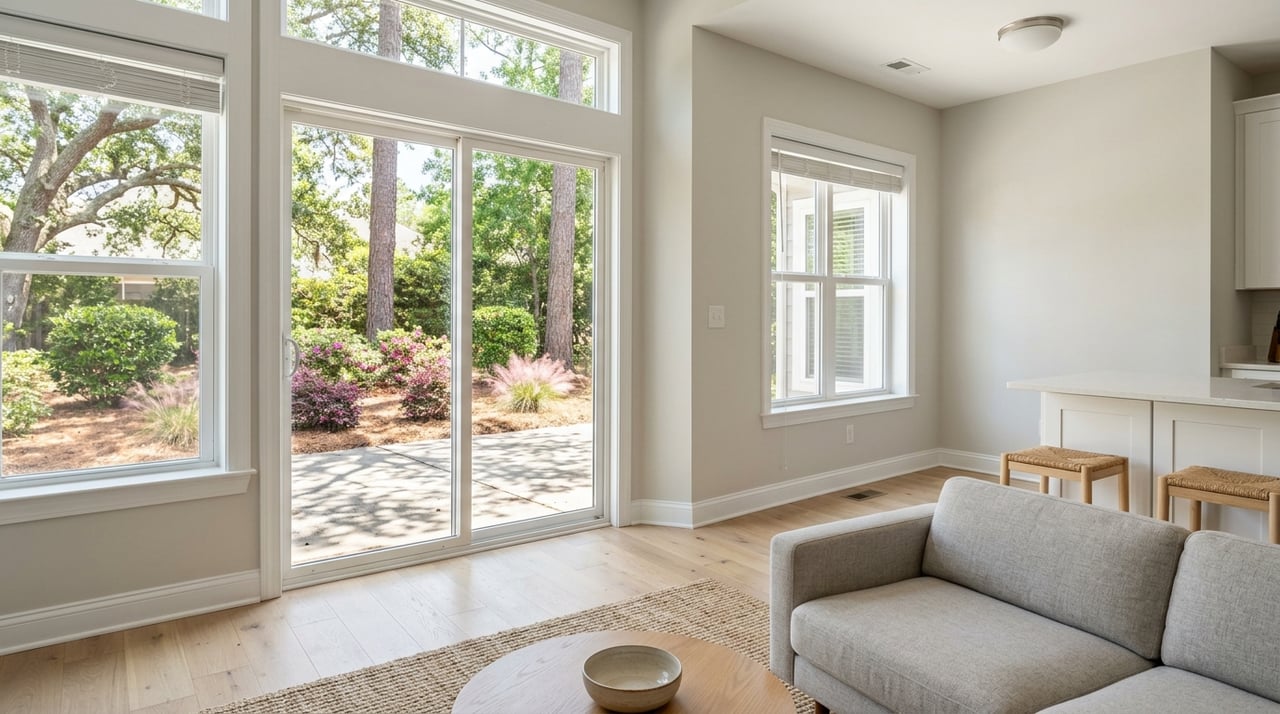
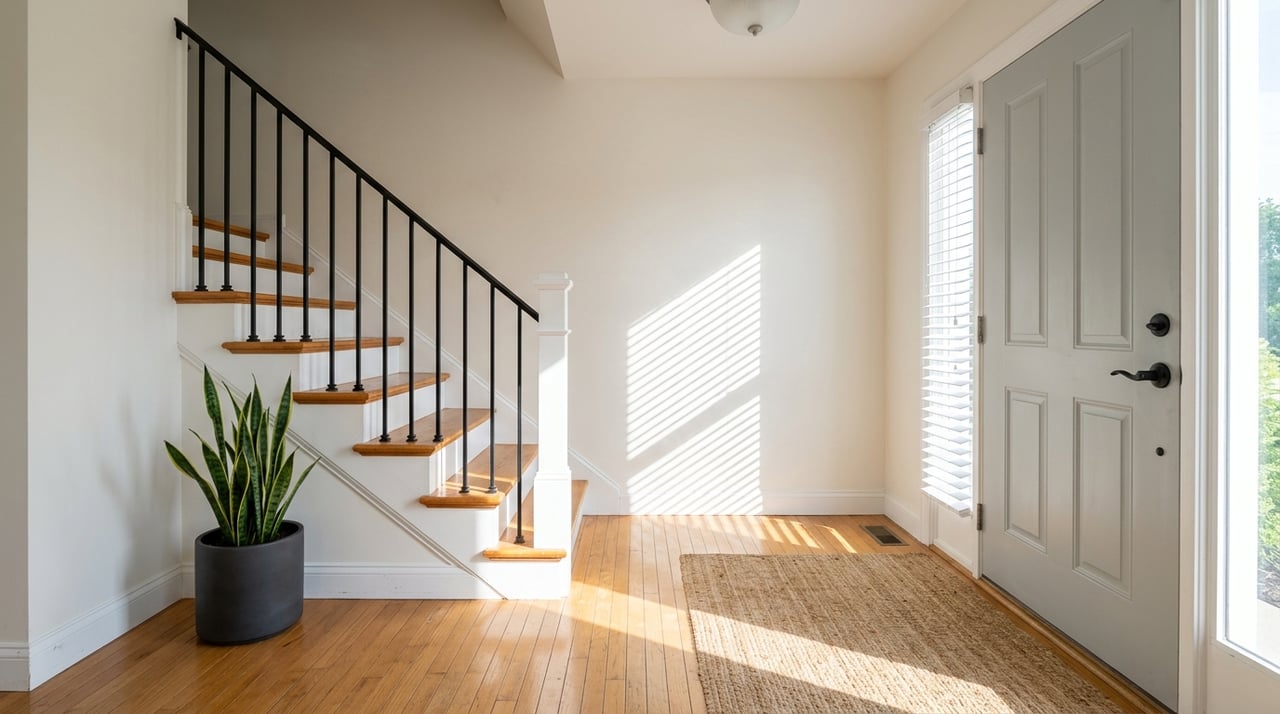
This is also where strong presentation helps. Clean, well-prepared homes are easier to show and easier for buyers to understand quickly.
Phase 3: Contract to closing
After you accept an offer, the process becomes document-heavy. In South Carolina, real estate closings and mortgage loan closings are conducted under attorney supervision, so sellers should expect a legal and administrative finish to the transaction.
This stage often includes inspections, possible repair negotiations, appraisal coordination, final walkthrough details, utility planning, and closing paperwork. When the early phases are handled well, contract-to-closing usually feels more straightforward.
Confirm Jurisdiction Before Repairs
This is one of the most important local details for Carolina Bay sellers. Redfin identifies Carolina Bay as a West Ashley neighborhood, and the City of Charleston notes that West Ashley includes properties that may or may not be inside city limits.
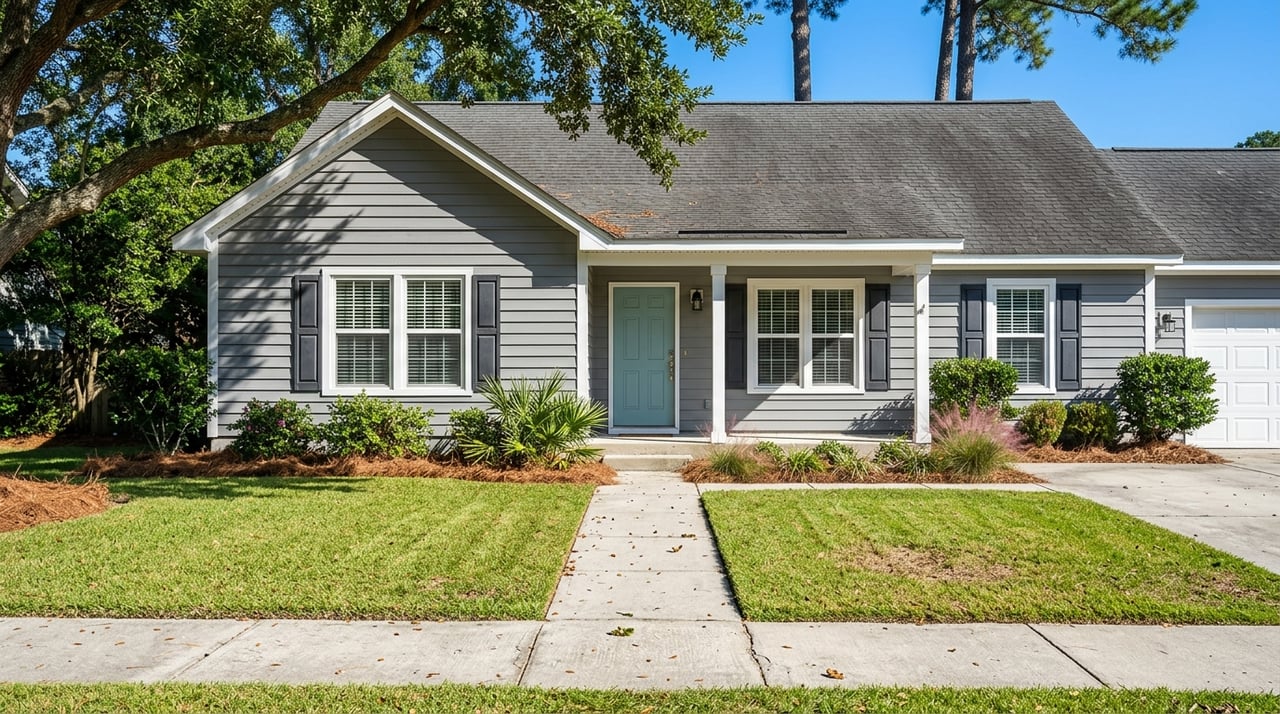
That matters because repair and permit requirements can depend on the exact jurisdiction. Before you schedule work, it is smart to confirm whether your property falls under the City of Charleston or another authority, especially if you are addressing items such as roofing, fencing, exterior paint, decks, solar, or demolition-related work.
If permit work is needed, incomplete applications can delay review. Charleston County also warns that unpermitted work can lead to citations, fines, demolition, or retroactive permit issues, with the current homeowner responsible. In other words, it is much easier to check first than to fix permit problems later.
Focus on the Prep That Prevents Delays
A calm sale usually comes from handling the right tasks early, not from doing everything possible. The goal is to remove obvious friction points before buyers and attorneys start asking questions.
Gather disclosure documents early
South Carolina requires a Residential Property Condition Disclosure Statement to be delivered to the purchaser before the contract is signed, unless the contract states otherwise. The form also makes clear that the disclosure is not a warranty and does not replace inspections.
For you as a seller, that means accuracy matters more than perfection. The best approach is to be organized, answer carefully, and keep documentation available for repairs, maintenance, or known issues that may come up during the transaction.
Pull HOA or regime information together
If your home is part of an HOA, POA, condominium regime, or similar owners association, South Carolina requires an addendum before the contract is signed. That addendum covers dues, assessments, restrictions, parking, access details, and other association-related topics.
This is a common place where sales can slow down if the information is not ready. When you gather these details early, you make it easier for buyers to review the property clearly and for the deal to keep moving.
Decide what repairs are worth doing
Not every home needs a long repair list before listing. In many cases, low-stress prep means identifying the items that will most affect buyer confidence and completing them in the right order.
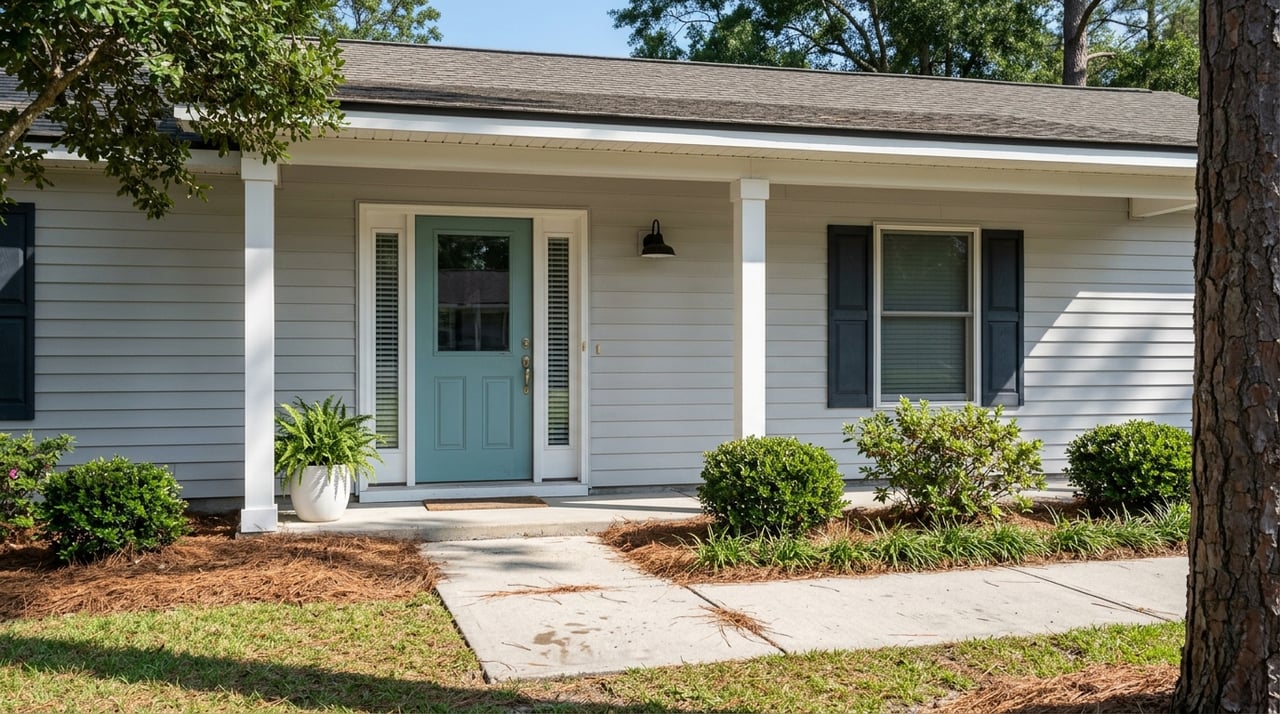
That may include small maintenance issues, exterior touch-ups, or work that needs a permit. The key is to avoid starting projects too late or leaving open questions that could become negotiation points once you are under contract.
Create a Showing Routine That Works
Showings are often the most disruptive part of selling, but they are much easier to manage when you have a repeatable system. A good routine protects your privacy, keeps the home presentable, and helps buyers tour the property comfortably.
Expect advance notice when possible
Professional showing guidance recommends scheduling as far in advance as possible, with prompt communication if times change. While last-minute requests can happen, a managed showing schedule is usually less stressful than ad hoc access.
If you are occupied during the listing period, setting expectations early can make a big difference. It helps you plan your day and keeps everyone on the same page.
Leave during showings
Realtor.com’s seller guidance recommends leaving before a showing so buyers can explore comfortably. Buyers tend to spend more time in a home and speak more openly when the owner is not there.
This can feel inconvenient in the moment, but it often leads to a better showing experience. A smoother showing process can support stronger buyer interest and cleaner feedback.
Secure personal and sensitive items
NAR’s seller safety guidance recommends removing personal items, securing prescription medications and firearms, and not opening the door to strangers who ask to see the home. Electronic lockboxes are also recommended because they create a record of who entered and when.
These steps help protect both privacy and peace of mind. They are especially helpful if your home will be shown repeatedly over several days or weeks.
Make day-to-day prep simple
A low-stress routine usually includes a few practical habits:
- Deep clean before going live
- Relocate pets during showings when possible
- Move cars out of the way before appointments
- Adjust lighting and temperature before a tour
- Keep countertops and personal items to a minimum
The simpler your routine, the easier it is to maintain. That consistency matters when showings start stacking up.
Prepare for Flood and Exterior Questions
In the Charleston area, buyers may ask questions about drainage, flood maps, and insurance-related concerns. If your home has had exterior work, drainage improvements, or flood-related questions in the past, it helps to gather that information before listing.
The City of Charleston notes that local flood hazards can involve rivers, tidal creeks, and the Atlantic Ocean. The City also directs property owners to FEMA’s Map Service Center and the City’s Flood Hazard Information Letter process when floodplain confirmation is needed. If this applies to your property, having clear documentation ready can help reduce confusion during due diligence.
Lean on Project Management, Not Guesswork
The smoothest sales usually do not happen by accident. They happen when someone is tracking the details, keeping the timeline moving, and helping you make practical decisions in the right order.
That is especially true in a neighborhood like Carolina Bay, where sellers may be balancing pricing strategy, prep work, permit questions, disclosures, showings, and an attorney-supervised closing. A hands-on, organized approach can save you time and make the experience feel far more manageable.
If you are thinking about selling in Carolina Bay, working with a local agent who can coordinate prep, guide pricing with current sold data, and manage the process from listing through closing can make a real difference. When you want a thoughtful plan and steady support, Andrea Ulmer offers the kind of concierge-style guidance that helps you sell with less stress and more confidence.
FAQs
How do I price a home in Carolina Bay without adding stress?
- A low-stress pricing strategy starts with recent sold data, not just active listing prices. In Carolina Bay, current list prices and recent sale prices are not the same, so realistic pricing can help you avoid extended time on market and repeated price changes.
What paperwork should I gather before selling a home in Carolina Bay?
- Start with your South Carolina property condition disclosure, records for repairs or maintenance, and any HOA or owners association documents that may be required before contract signing.
What should I do about repairs before listing a Carolina Bay home?
- First confirm the correct permit jurisdiction for your property, then focus on the repairs that improve buyer confidence or prevent contract-stage issues. Avoid leaving permit questions unresolved.
How much notice should I expect for showings in Carolina Bay?
- Showing guidance recommends scheduling as far in advance as possible, with prompt updates if a time changes. A structured showing schedule is usually less disruptive than informal access.
Should I stay home during showings for my Carolina Bay property?
- No. Seller showing guidance recommends leaving before buyers arrive so they can move through the home comfortably and speak openly during the visit.
How can I protect privacy while selling a home in Carolina Bay?
- Remove unnecessary personal items, secure medications and firearms, relocate pets when possible, and use controlled showing access so entry is tracked and scheduled.